
My Story of a Tree Marked B
Tucked away among the ancient tuart forests of Nambung National Park, along the winding banks of the Nambung River (previously known as the Smith River and Frederick Smith River), stands a quiet, compelling relic of Western Australia’s past: a century-old tuart tree, etched with a single enigmatic letter—“B.” Marked simply as “Tree marked B” on early survey maps, this living monument has stirred the imaginations of explorers, leaseholders, and history-seekers alike.
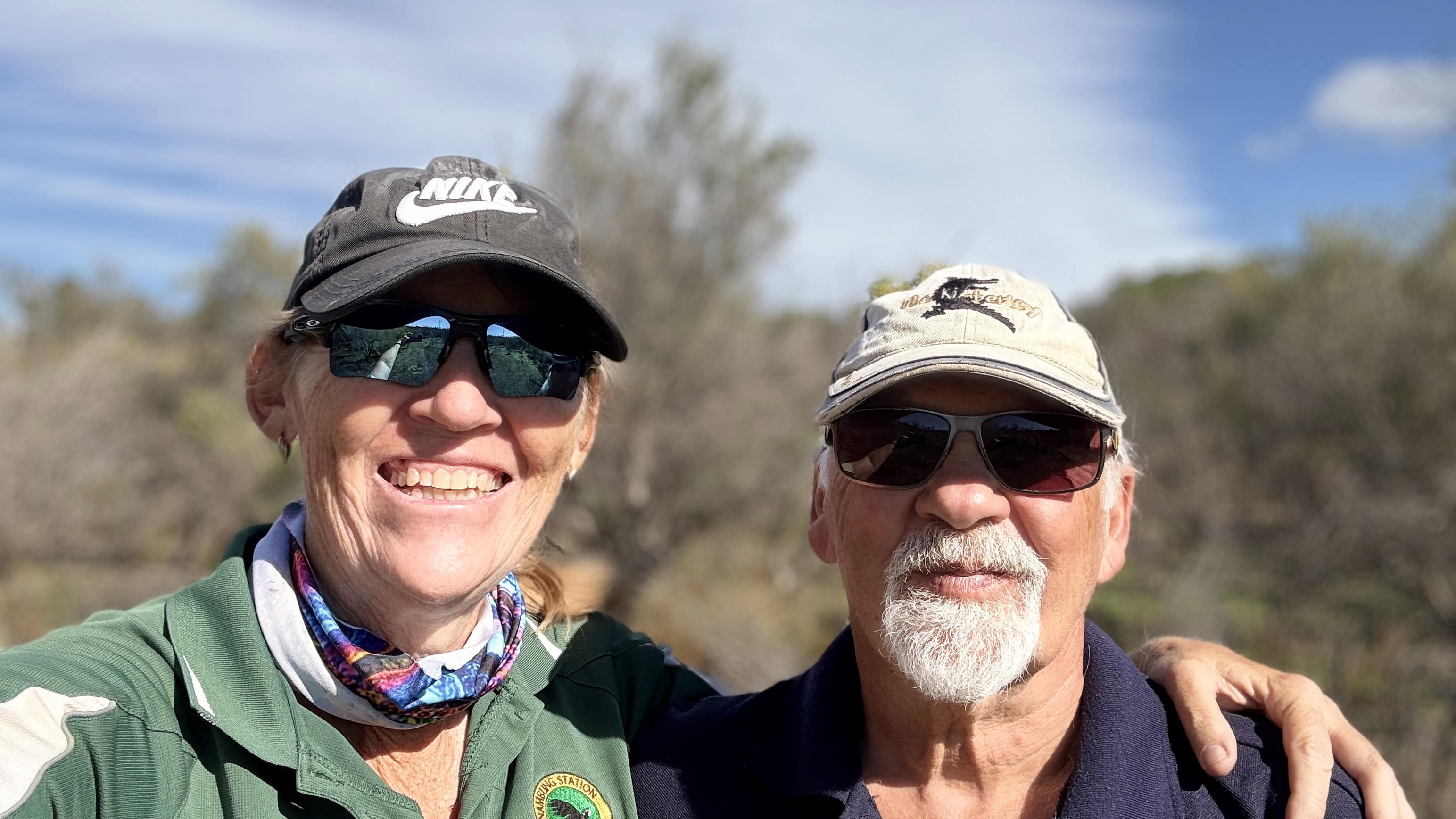
For me, though, the story of the B Tree is something more personal and evolving. Two decades ago, I would escape Perth’s relentless pace for weekends beneath the shade of Nambung’s majestic tuarts near the limestone caves—finding solace in nature and the stillness of the park. It wasn’t until years later that my curiosity deepened. Through quiet research and a growing fascination with the land’s layered history, I learned of the mysterious “Tree marked B.” Since then, I have been captivated by the idea of finding it, standing before it, and tracing the grooves of a letter that may hold forgotten stories from a century ago.
The tuart tree (Eucalyptus gomphocephala), one of the toughest species on Earth, survives where few others can—its dense wood resisting termites, its gnarled form enduring fire and drought. But one such tree bore more than just strength: it bore a single letter carved deep into its trunk—‘B’. For decades, this elusive blaze was known only as a reference point on old survey maps, a point of curiosity shrouded in misdirection. The river it stood beside changed names three times, and multiple men connected to the land all bore surnames beginning with ‘B’. Each clue brought new theories, each theory was eventually turned upside down.
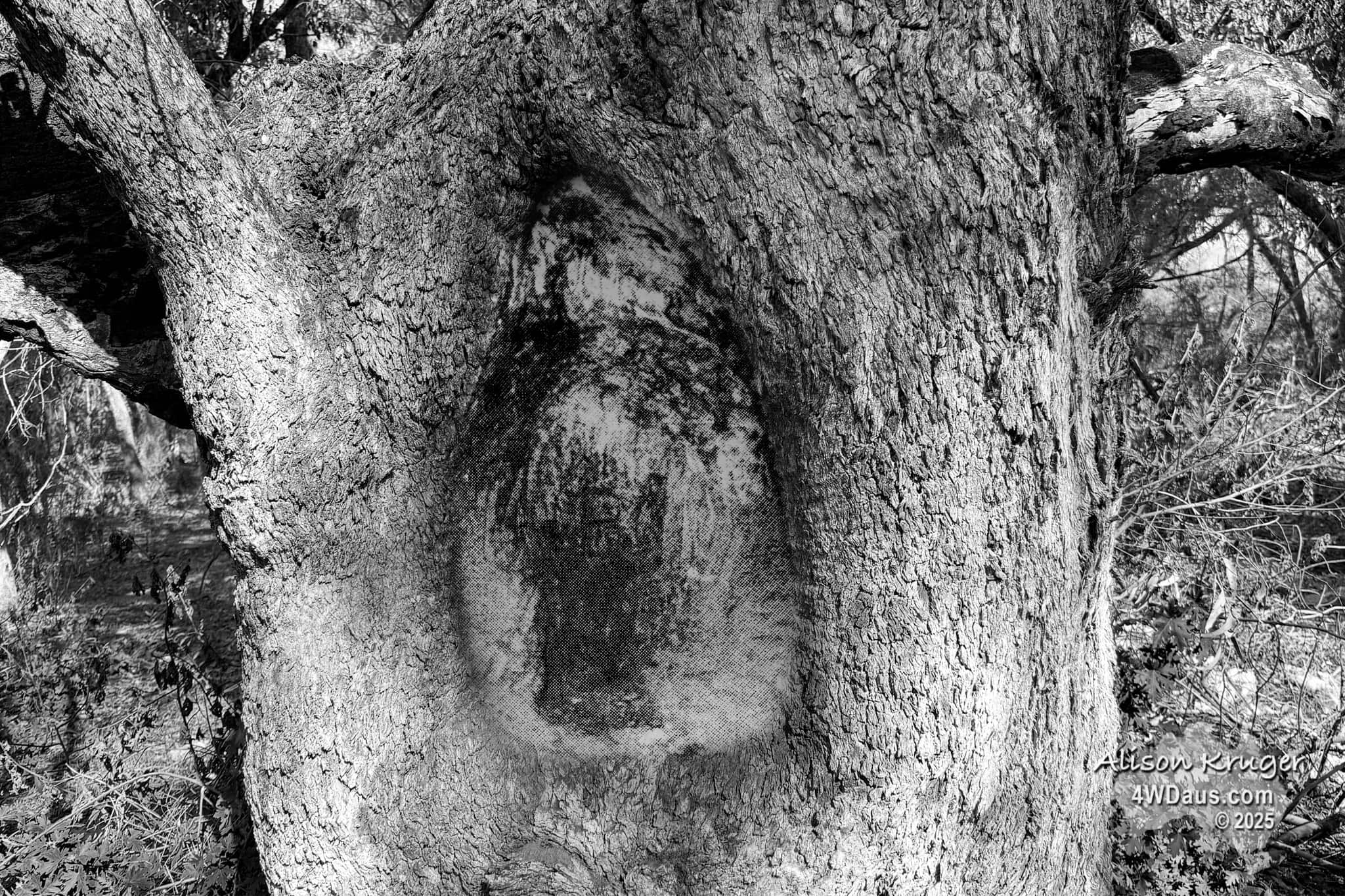
In 1968, Alf Passfield, the first full-time ranger of the then newly declared Nambung National Park, began a search for this mysterious landmark. Guided only by long-lost survey notes and half-burned pegs, Passfield charted his course by hand compass and instinct. He finally came upon the largest tuart tree he’d ever seen—but the fabled ‘B’ was nowhere in sight. Not until he cleared a massive termite nest clinging to the trunk did the mystery begin to yield an answer. Protected under layers of hardened mud, the carving was intact: the letter ‘B’, shielded by the very insects it had resisted for a century.
Yet that discovery was only the beginning. Historians and government archivists, intrigued by the find, unravelled the tree’s story even further. The earliest known mention dated to 1855 in a lease application by WL Brockman, who likely marked the tree to define his property’s boundaries—decades before later leaseholders like Burges or Bower came into the picture. The blaze, now over 160 years old, had become more than a boundary—it had become a witness.
I first read about the B Tree in Alf Passfield’s Nambung, Here We Come back in 2006. The story stirred something deep inside me—a desire not just to know of the tree, but to find it for myself. Years passed, the dream lingered, and life carried on. Then, 19 years later, it happened—during a chance chat over a CWA morning tea, I met someone who knew the way. And just like that, a long-held hope rooted itself in reality.
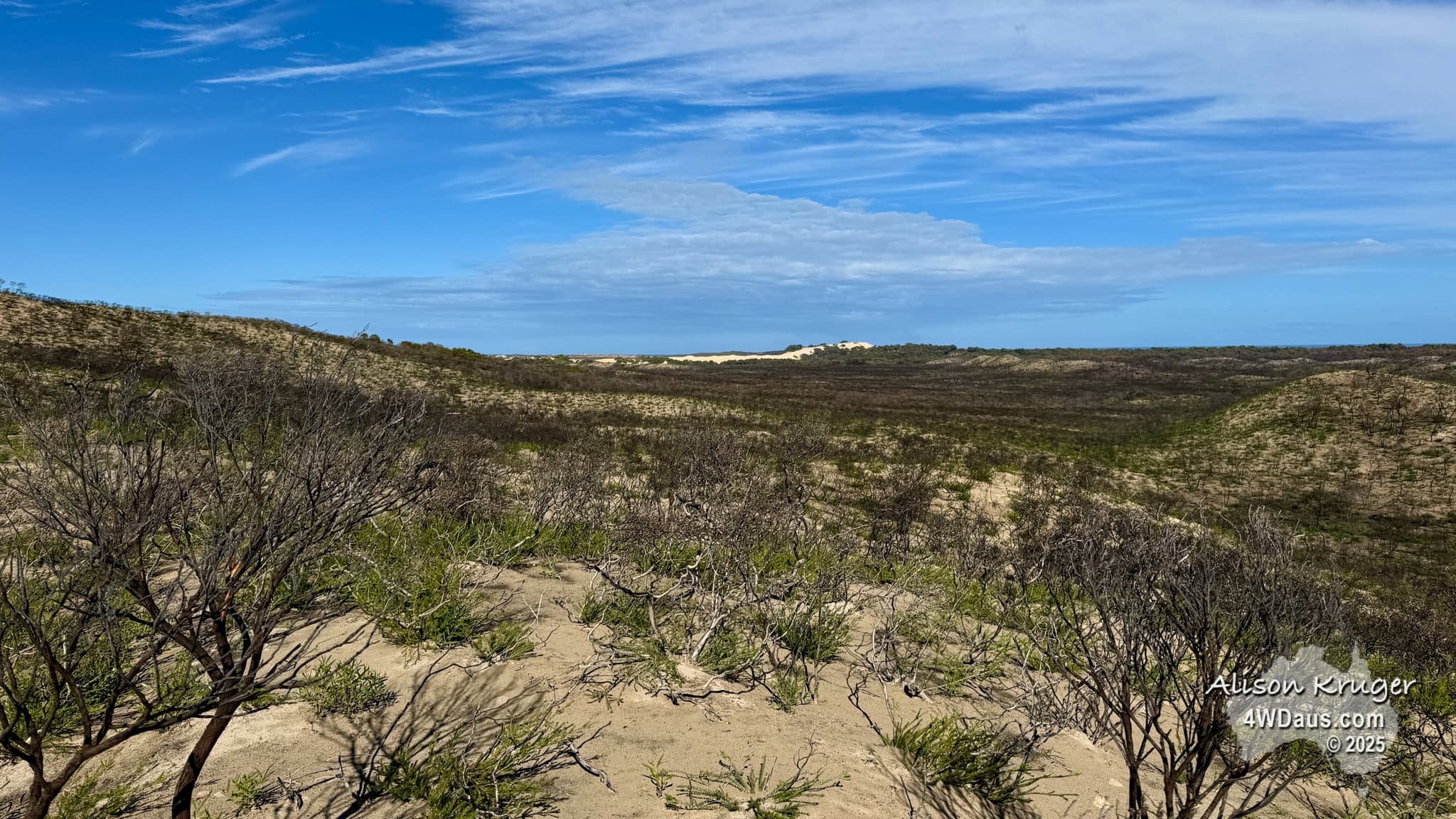
The walk to find the legendary B Tree led us along the winding path of the Nambung River. Along the way, we stumbled upon what appeared to be a point where the river slips quietly underground—another portal to the cave system below. While it’s known that the Nambung River vanishes into a cave and resurfaces nearer the coast at Nambung Springs, this unexpected discovery hinted at multiple points of access into the subterranean network.
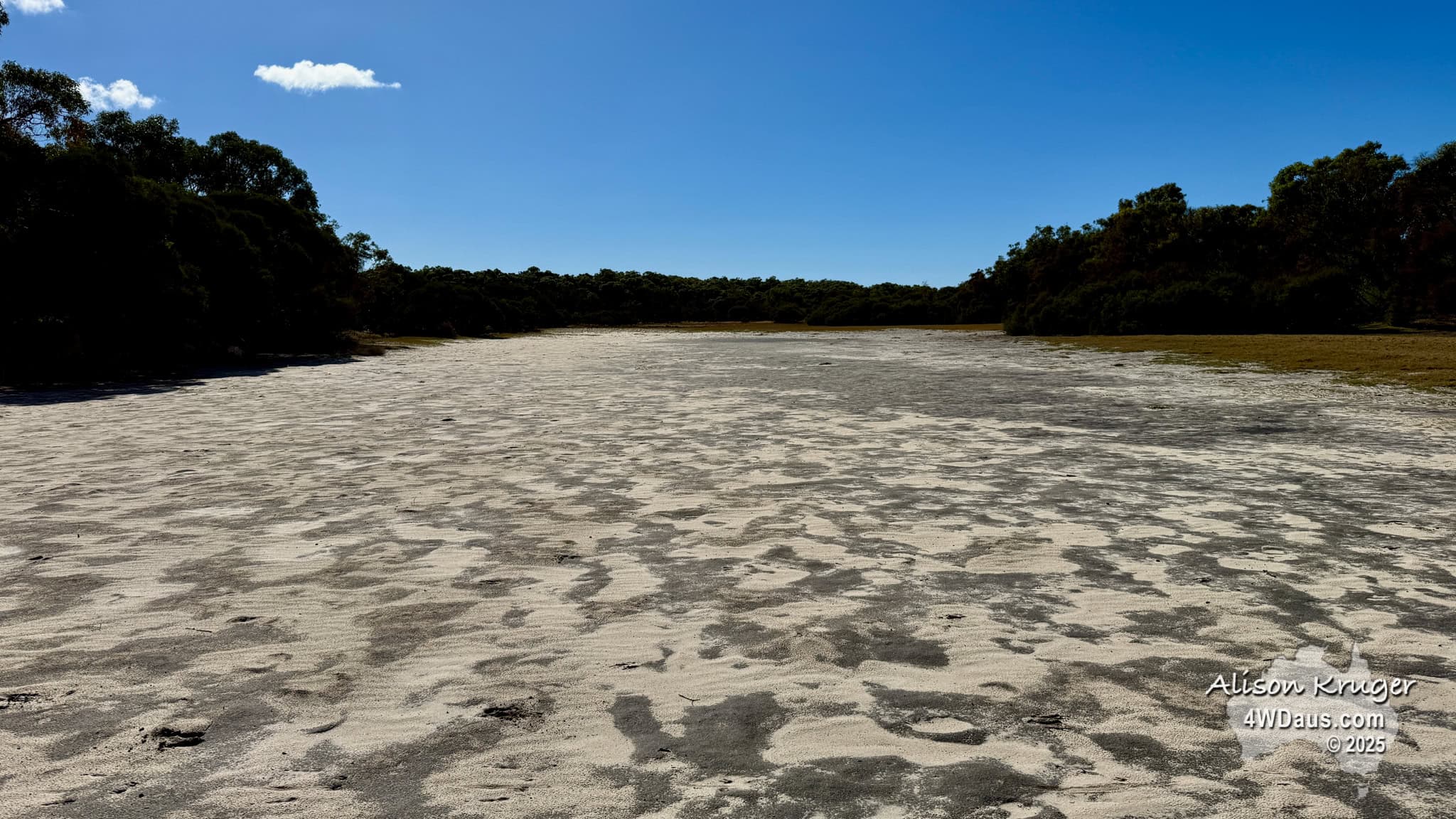
Our next waypoint was Kinchela Pool—a once vital watering spot along the historic Perth-to-Geraldton stock route. This pool joins Wyip and Warrup Pools, forming a chain of essential lifelines for drovers of the past. Now, Kinchela lies dry, blanketed in thick grass and clearly well-frequented by kangaroos.
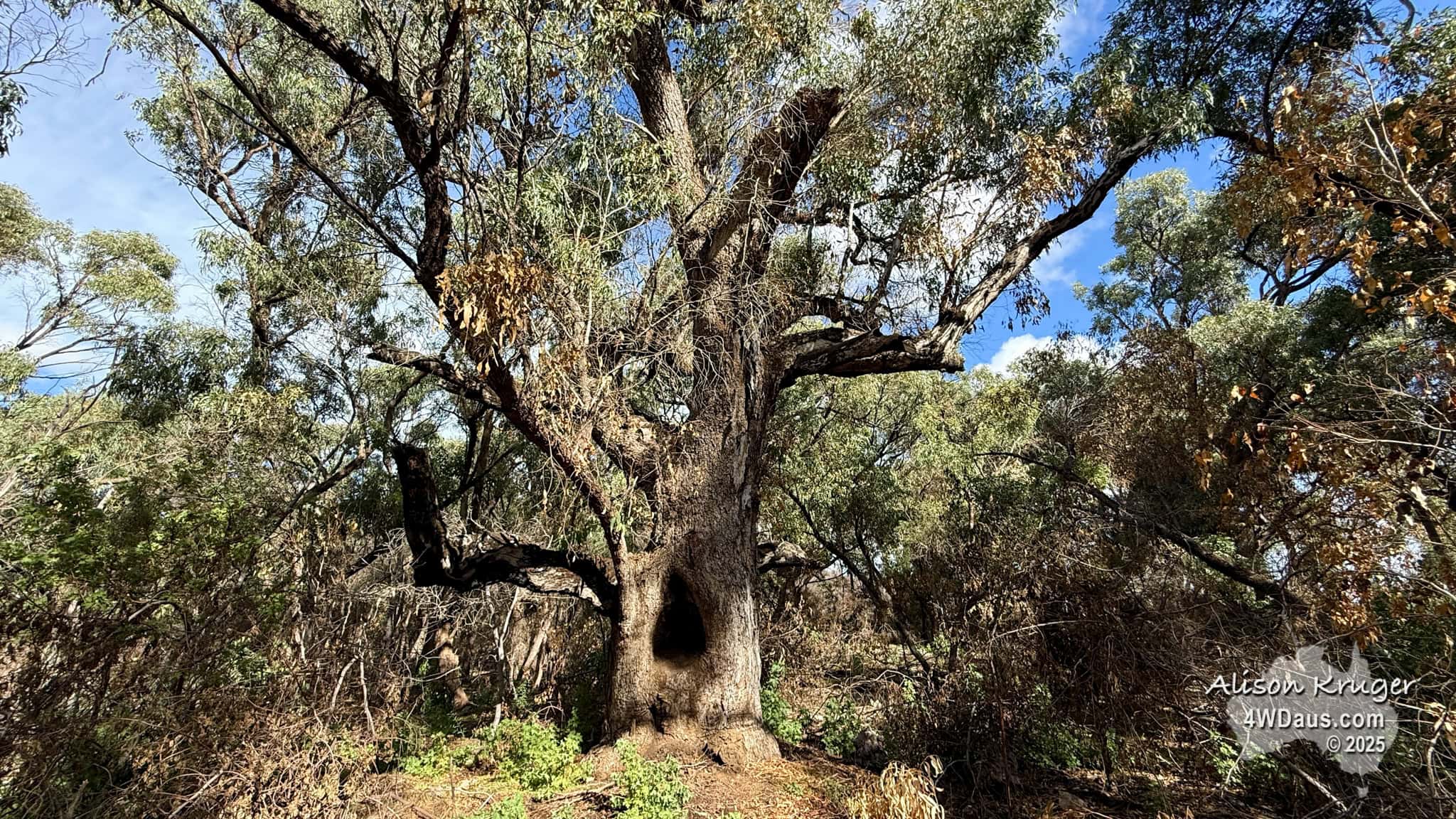
And then, there it was—the B Tree.
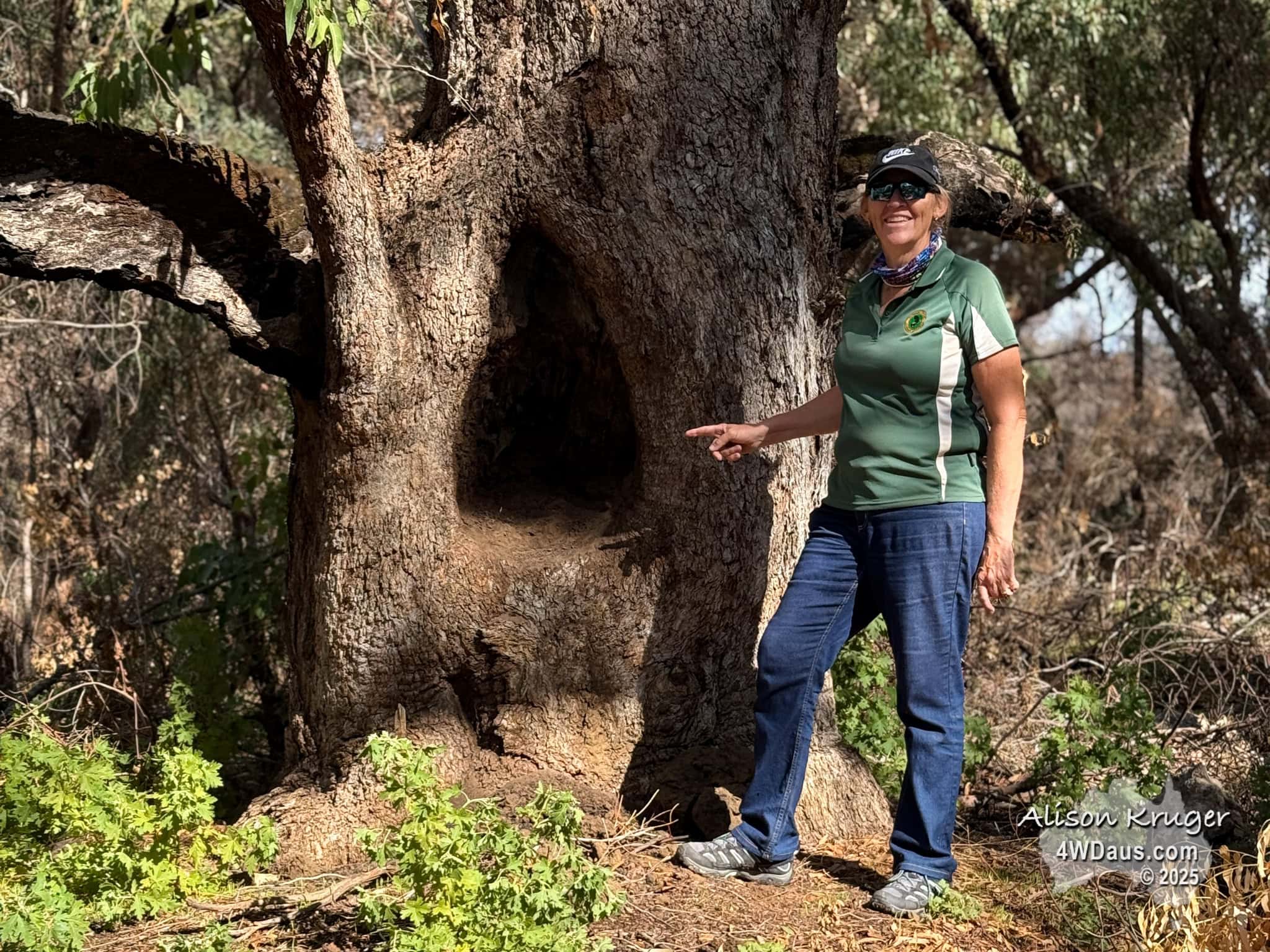
Standing before it, hand resting on its coarse bark, I didn’t just find a tree—I felt a pulse of connection. To the land. To time. To every soul who had once roamed these plains chasing stories whispered on the wind. After all these years of wondering and searching, finding the B Tree was a quiet triumph, wrapped in awe and reverence.
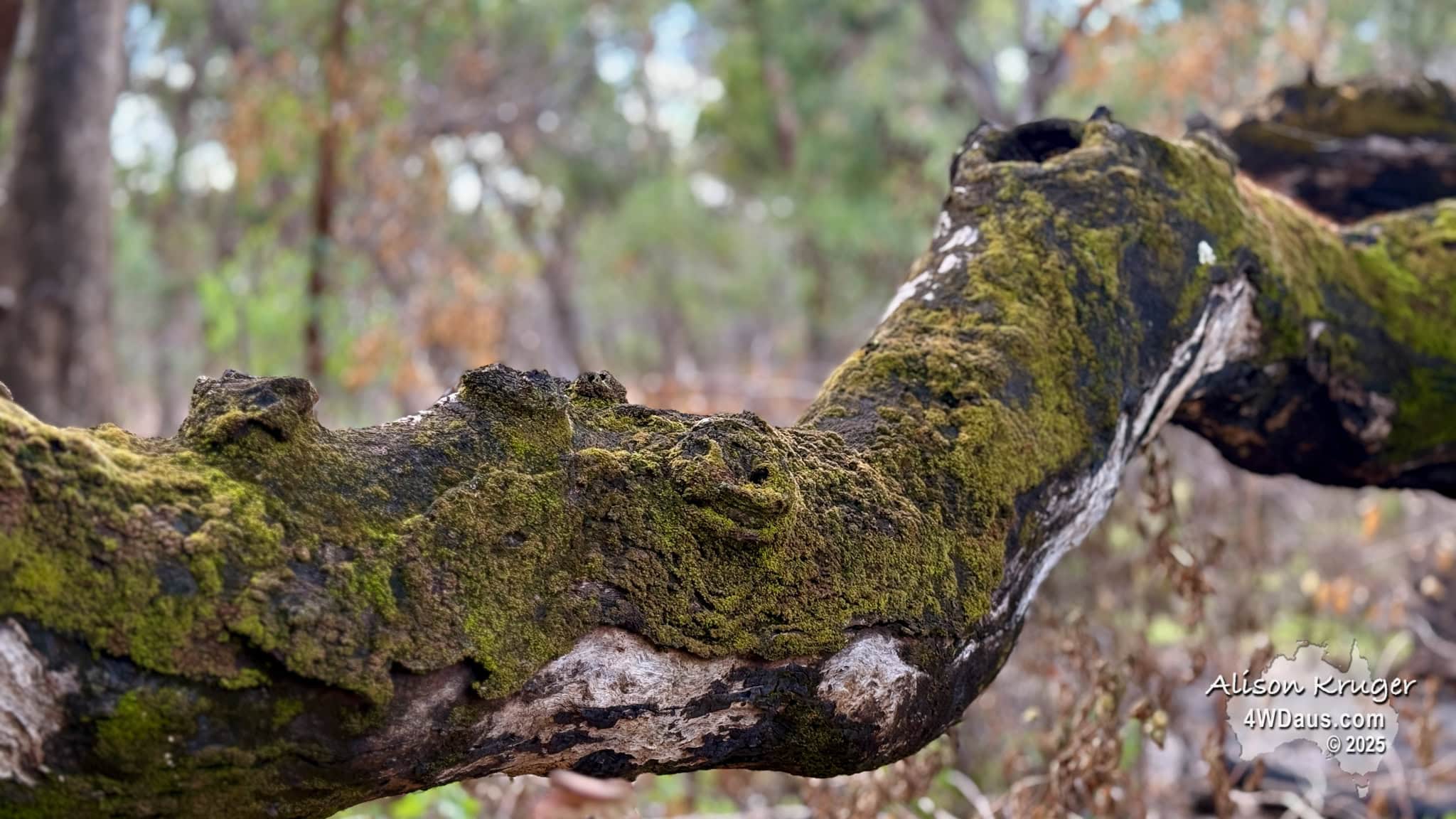
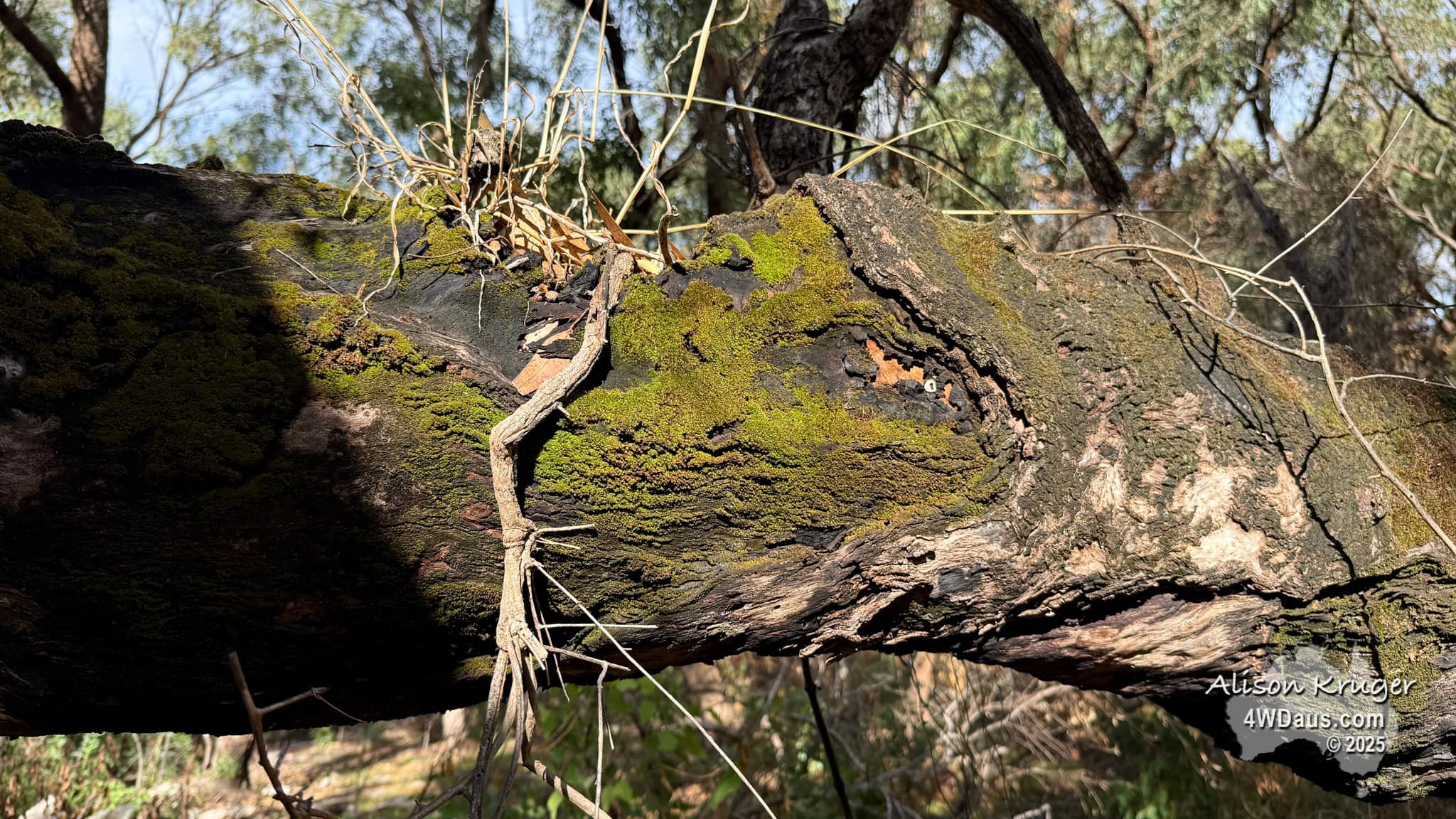
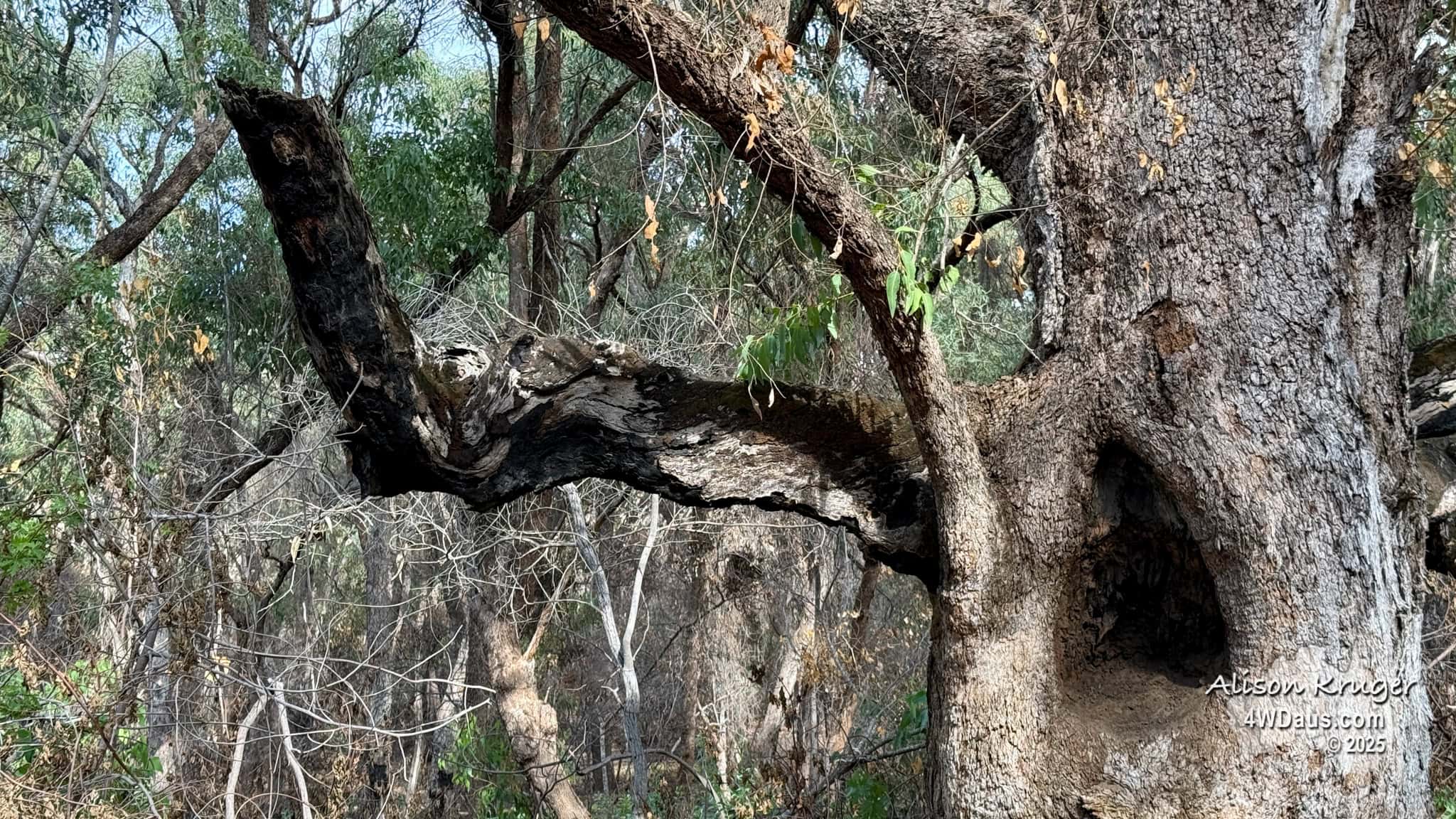
Remarkably, it had survived yet again. Through the fierce bushfires that scorched the land, this ancient tuart still stood, its twisted form rising defiantly from the blackened earth. Time and flame had tested it—but never claimed it.
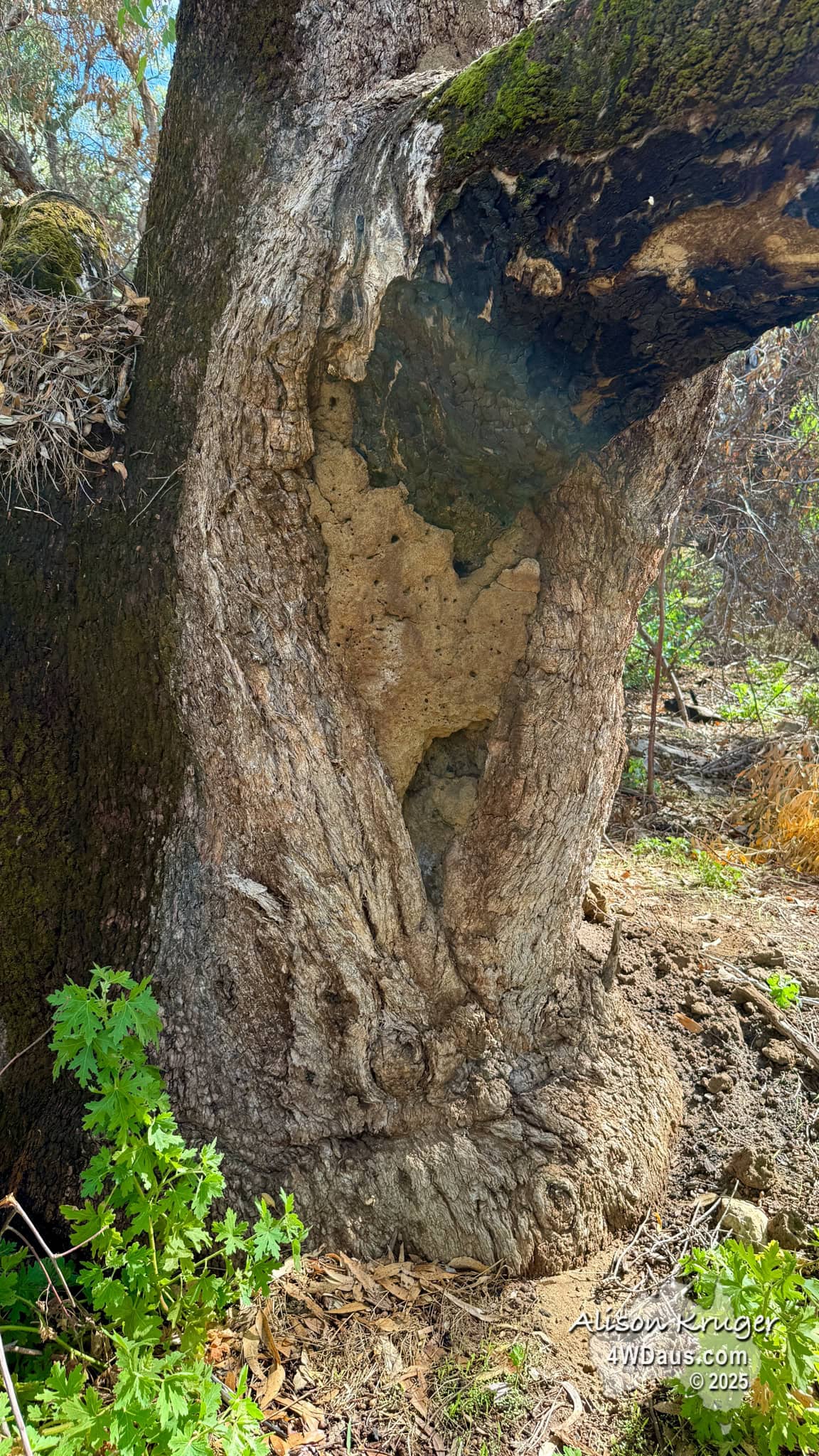
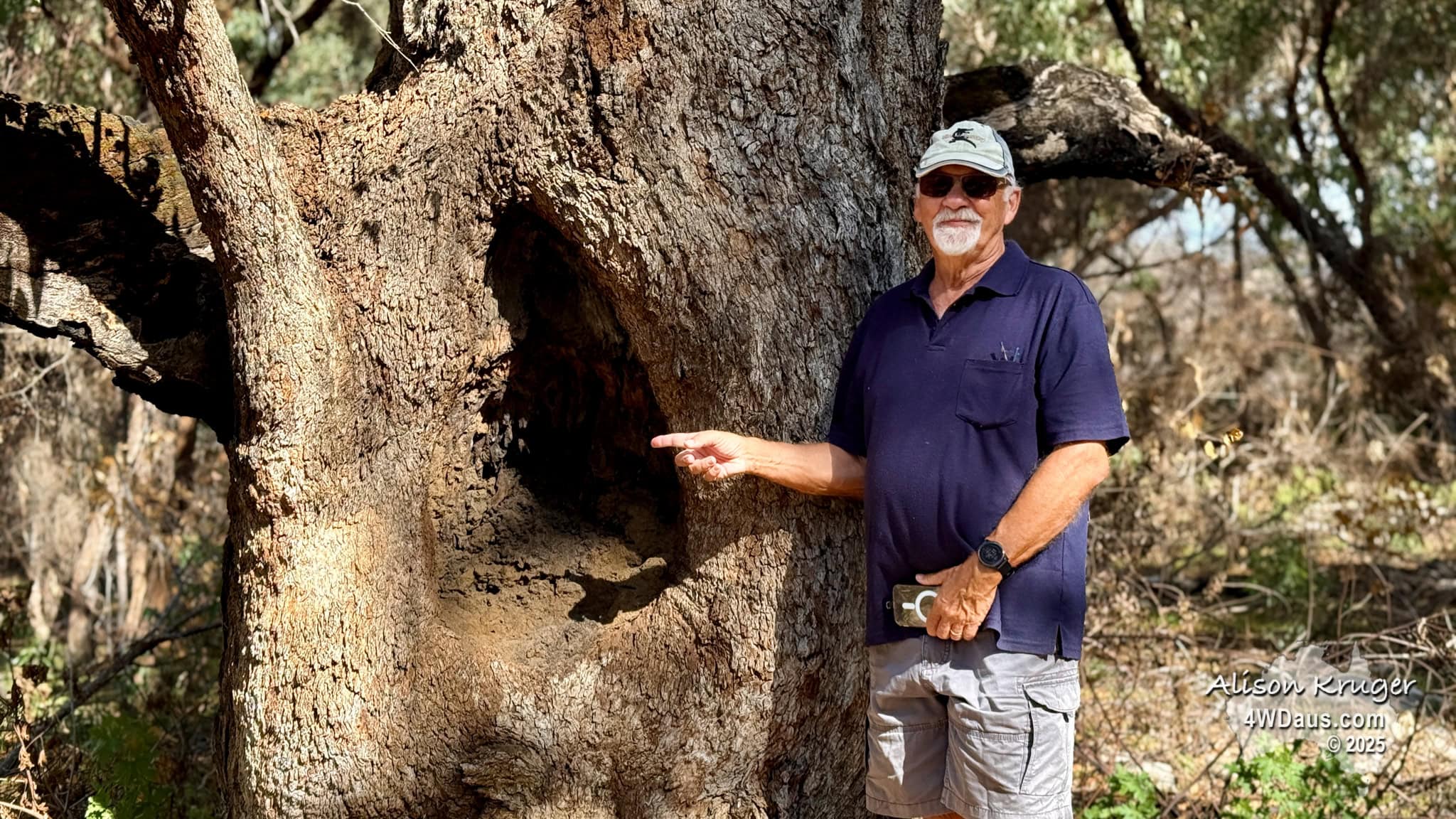
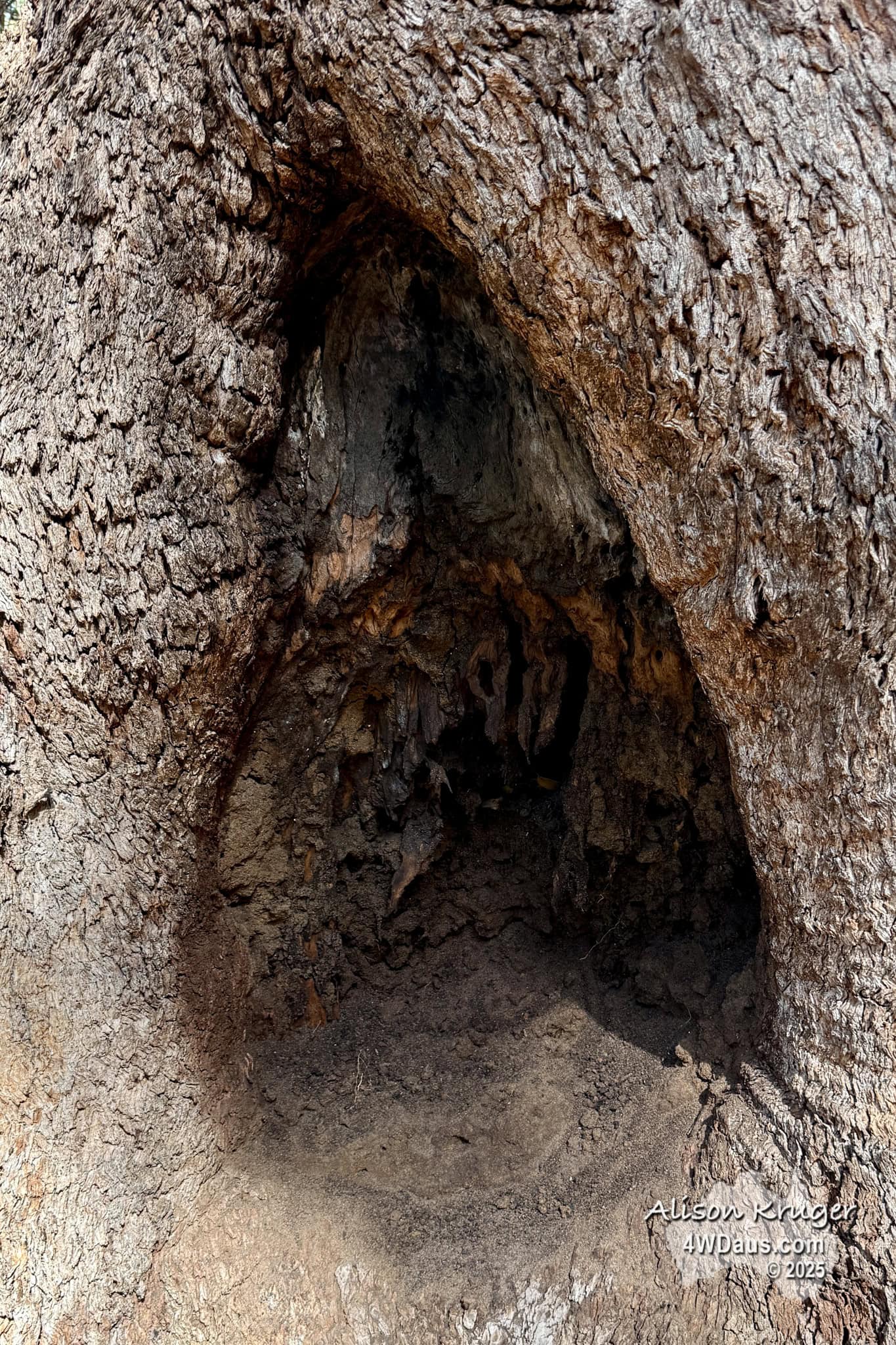
Yet as I stepped closer, I saw them: the termites Alf Passfield had written about. Survivors turned saboteurs. The same insects that once spared the tree from flame had now feasted on it. The iconic ‘B’, carved by hands long gone, had finally faded—erased not by man, but by time’s slow agents. Only a faint trace remained, as if the tree had chosen, at last, to let its mystery rest.
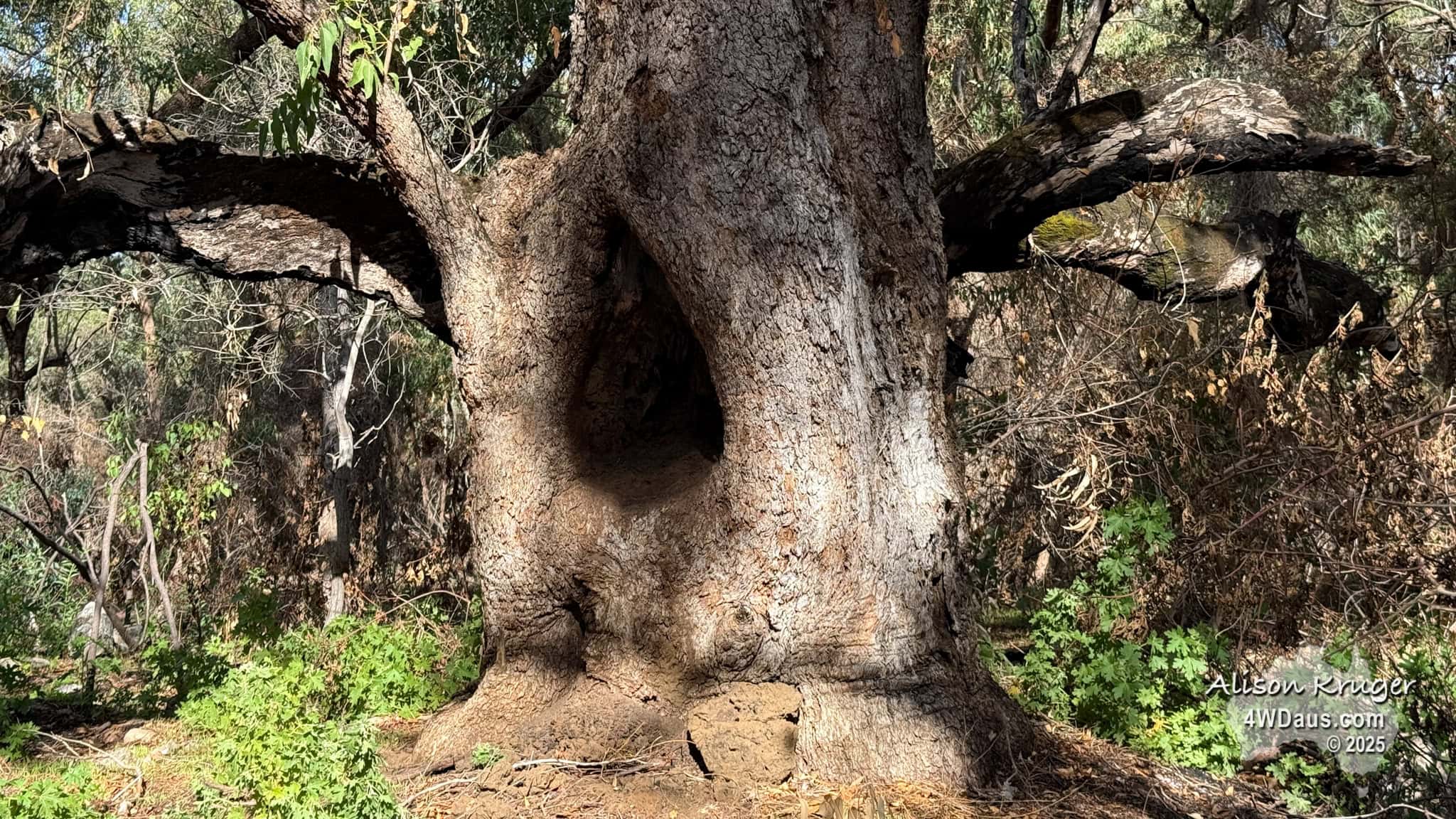
Still, the B Tree endures. Weathered, scarred, and standing sentinel, it tells its story now not through carved letters but through presence—its silent witness to generations of wanderers, landholders, and seekers. Its bark holds the memory, even if no longer the mark.